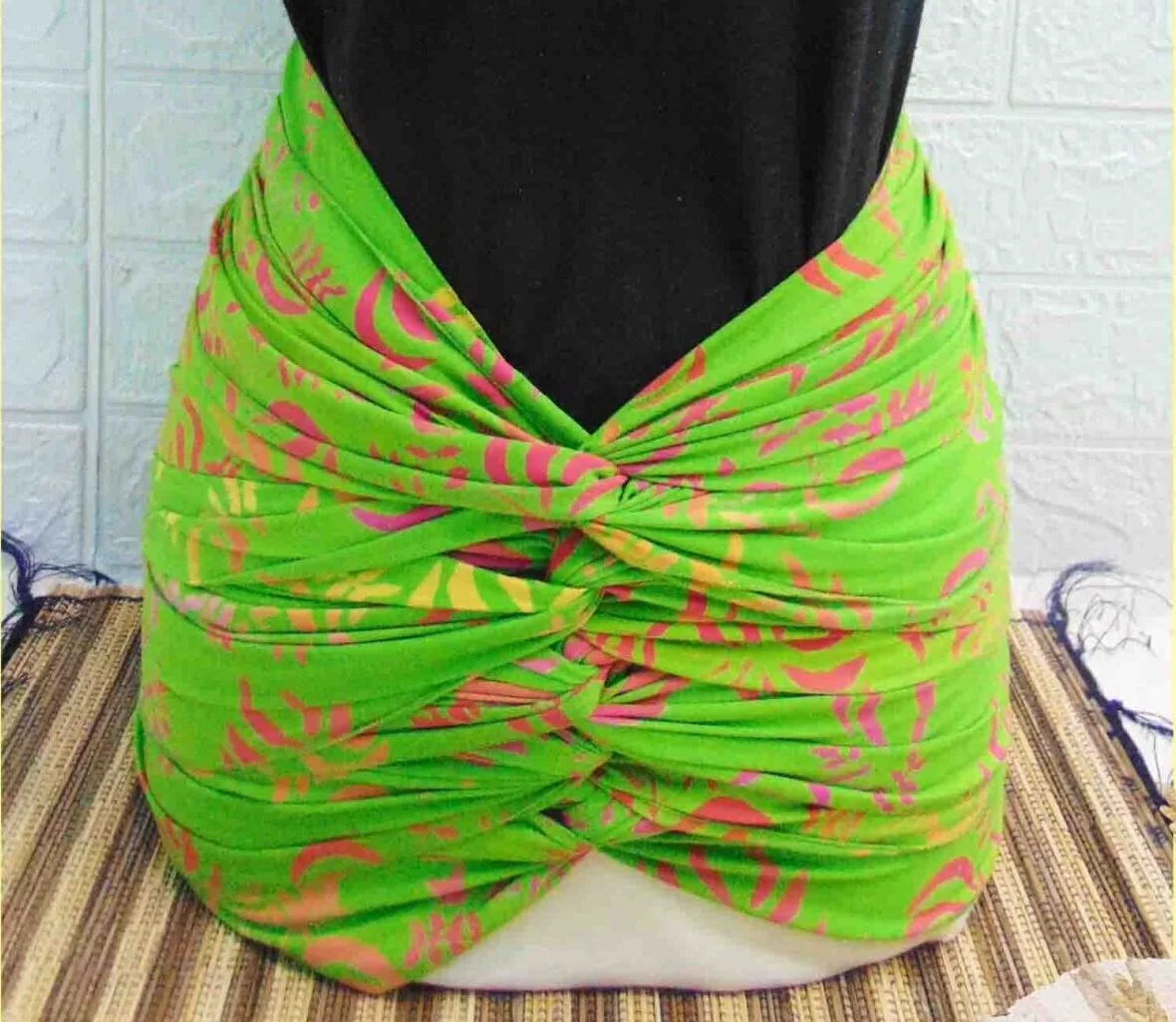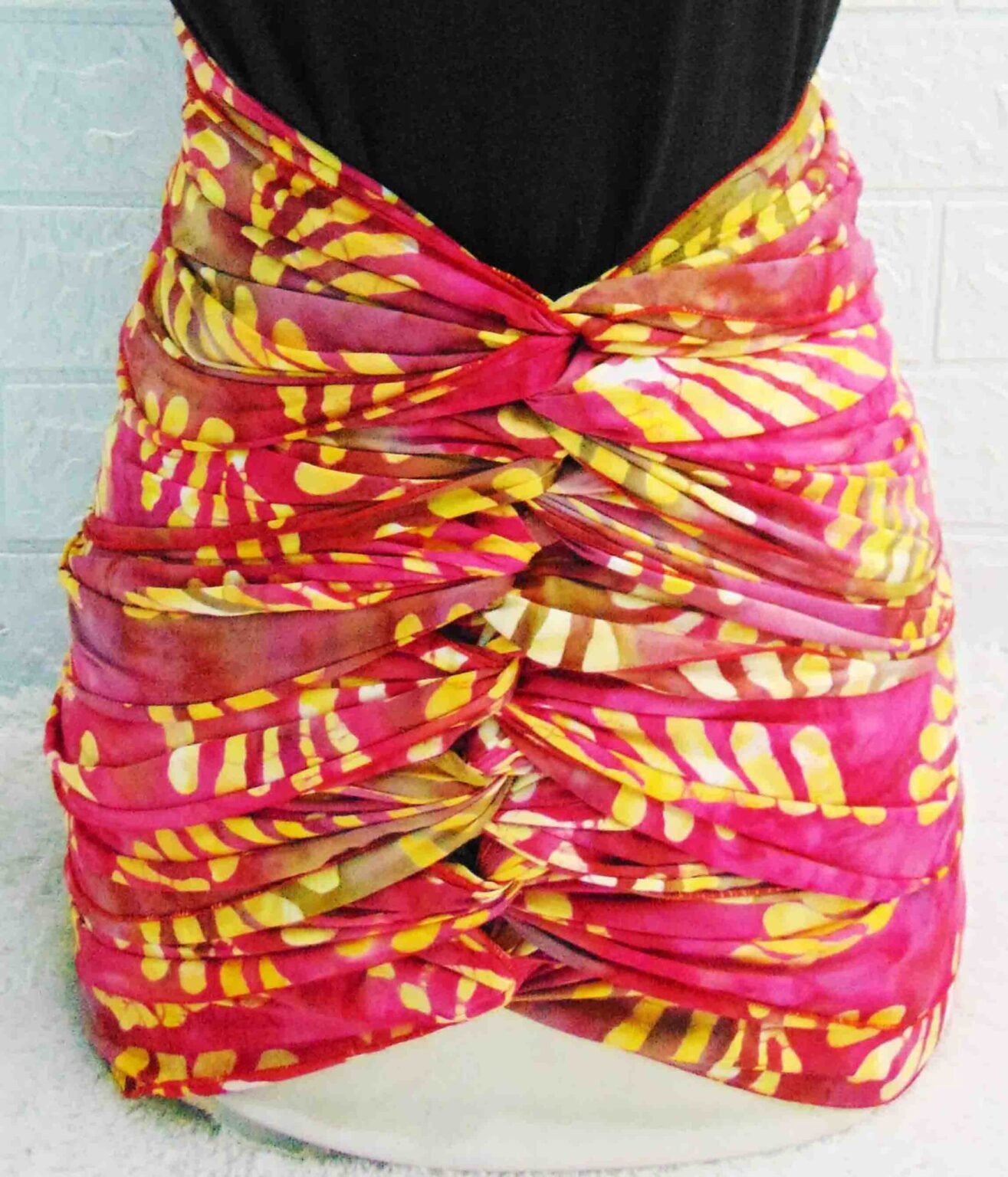
Belly binding is a postpartum care practice that has been practiced for centuries in various parts of the world. While it has different names and methods, its primary purpose remains the same: to provide support to the mother’s body during recovery. Belly binding is not new—it’s timeless. Variations of it exist on every continent:
Latin America – Faja
- In many Mexican and Central American cultures, the faja (a long woven sash or band) is wrapped around the belly for warmth, support, and organ repositioning.
- Often part of la cuarentena (the 40-day postpartum rest period).
Malaysia & Indonesia – Bengkung Binding
- Traditional bengkung binding uses a long cotton cloth wrapped from the hips to the chest.
- Applied with herbal oils and massage, it’s believed to realign the uterus and protect internal organs.
- Often combined with other healing modalities like jamu herbs, steams, and abdominal massage.
Japan – Sarashi
- The sarashi is a traditional cotton binding cloth used in postpartum and martial arts for abdominal support.
- It’s thought to stabilize the torso, support core strength, and protect internal healing.
Middle East & North Africa
- Belly wrapping is integrated into 40-day postpartum rituals, often with herbal compresses or oils.
- Support is both physical and symbolic—marking the body’s return to strength and integrity.
Nigeria & Ghana
- Belly binding is a common part of omugwo (Nigeria) and similar West African traditions.
- Elders assist new mothers in wrapping the abdomen with firm cloth and massage to prevent postpartum sagging and organ displacement.
United States & Europe
- In modern Western practice, belly binding has reemerged in doula work, pelvic floor therapy, and postpartum recovery tools.
- Commercial abdominal binders or Velcro wraps are now common—but the roots are global and ancestral.
So, if you’re looking for a safe, comfortable, and long-proven solution, bengkung is the right choice. Don’t forget to buy quality bengkung only from Jual Bengkung for maximum benefits and optimal body recovery.