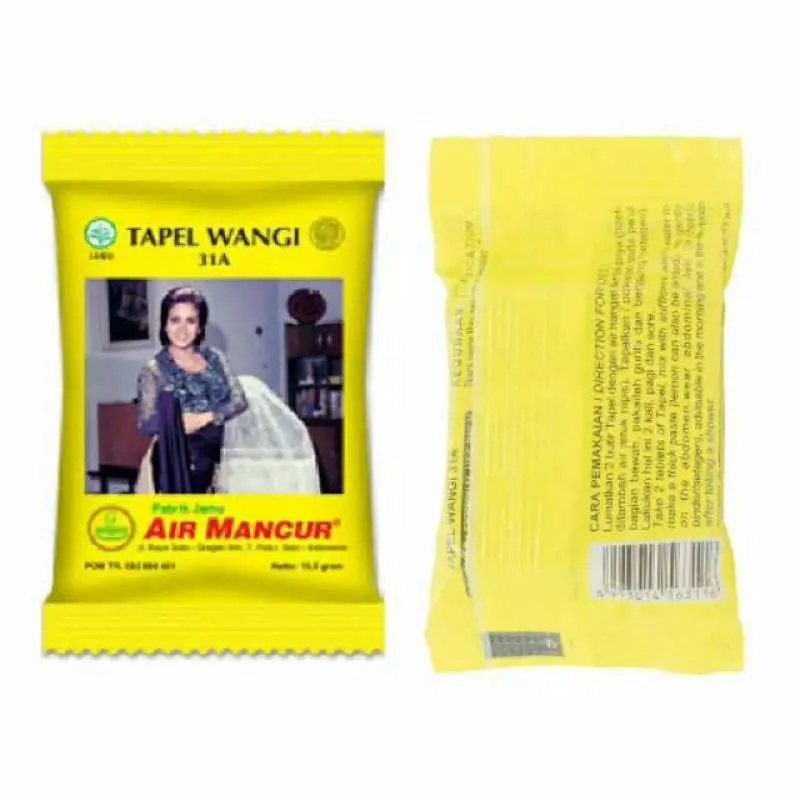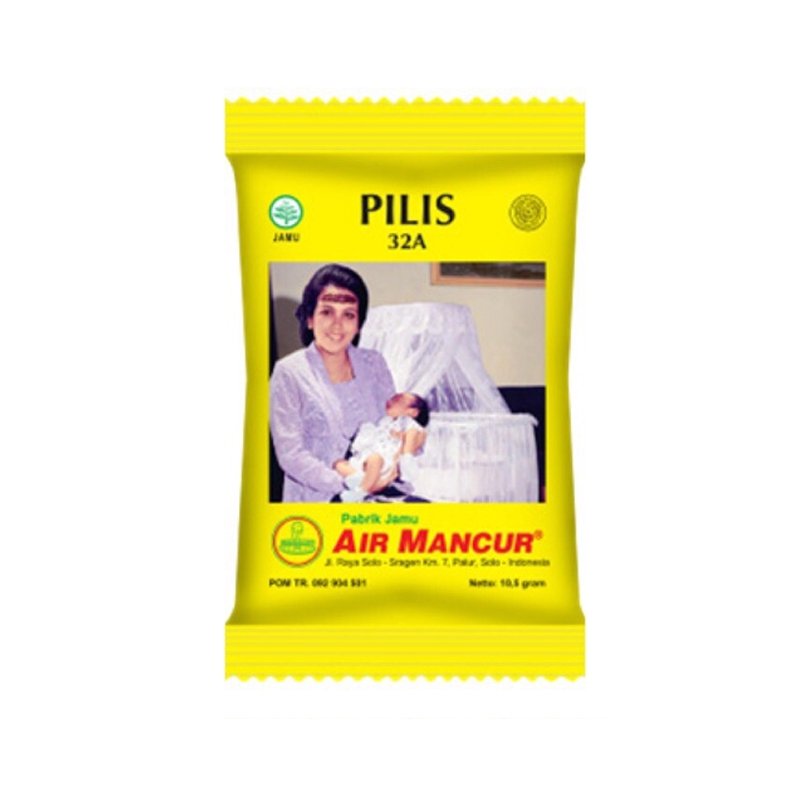
After giving birth, the mother needs time to rest and recover her body condition. In the traditional care culture of the archipelago, pilis is one of the treatments that is inherited from generation to generation as part of maternal care during the postpartum period.
Pilis is a traditional herb made from natural spices, such as turmeric, kencur, and other ingredients that are pureed, then applied to the forehead area. Its use is believed to provide a comfortable and refreshing sensation.
The Function of Pilis in Postpartum Care Traditions
Here are some of the purposes for using pilis in the tradition of Indonesian society:
- Provides a comfortable sensation: The aroma of spices can provide a relaxing experience for some people.
- Refreshes the forehead area: Pilis is used as part of a traditional grooming routine.
- Complementing postpartum care: Pilis is one of the cultural heritage of maternal care after childbirth.
- Preserving tradition: The use of pilis becomes part of traditional knowledge that is passed down from generation to generation.
However, the benefits of pilis to treat headaches or visual impairments have not been supported by sufficient scientific evidence. Use safe and hygienic products, avoid contact with eyes, and stop use if irritation occurs. Severe headaches or visual disturbances after childbirth need to be immediately checked by a health professional.
Complete Postpartum Care with Bengkung
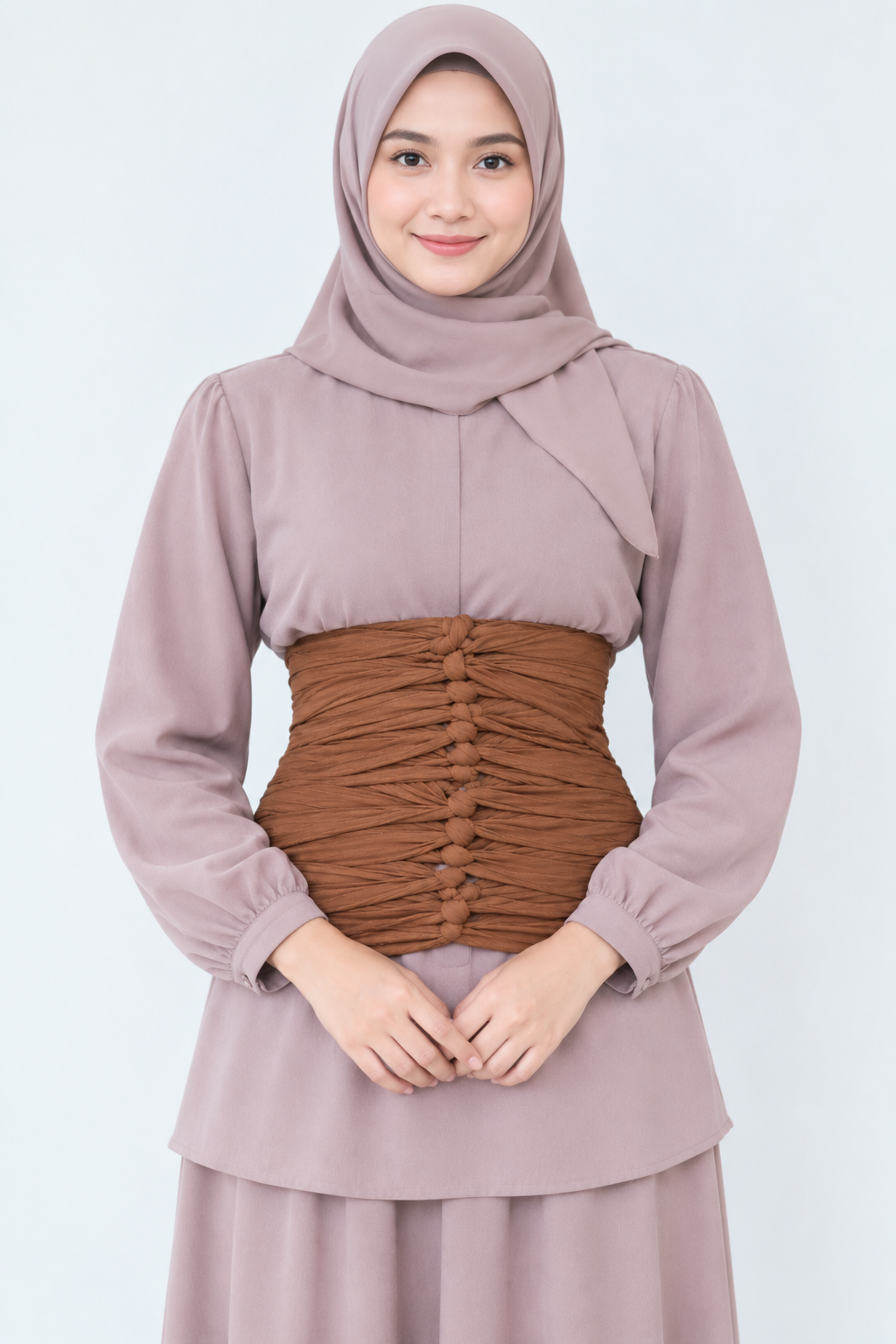
In addition to pilis, bengkung is a traditional wrap cloth that can help support the abdominal area and provide comfort during recovery, as long as it is used appropriately and not too tight.
Looking for a comfortable and practical bengkung for postpartum recovery? Visit www.jualbengkung.com to explore quality bengkung options designed to provide comfortable support during your postpartum journey.